In the rapidly changing world of web development, there’s a new kid on the block that’s been gaining a lot of hype: JAMstack. It’s an approach that’s all about making websites faster, more secure, and scalable. If you’ve been hearing about JAMstack and wondering what it’s all about, grab a drink, kick back, and let’s dive into it.
What is JAMstack?
Okay, so JAMstack isn’t some new super-tech or a fancy framework. It’s more like a fresh way of thinking about building websites. The term was coined by Mathias Biilmann from Netlify. JAMstack essentially stands for JavaScript, APIs, and Markup. The basics? It’s all about pre-rendering your site into static HTML files which are then served directly from a CDN (Content Delivery Network). This means quicker load times, less reliance on back-end servers, and generally a smoother experience for users.
Core Principles
Two big ideas make JAMstack tick: pre-rendering and decoupling. Let’s break those down.
Pre-rendering
Pre-rendering is like doing your homework ahead of time. Instead of waiting for a user to request a page and then generating it on-the-fly, JAMstack pre-generates the pages. So, when someone asks for a page, it’s like BAM! Here you go - super quick. Tools like Gatsby, Next.js, Hugo, and Jekyll are some of the go-to options for generating these static sites. By serving these pre-built pages from a CDN, the load times are lightning fast.
Decoupling
Decoupling means keeping the front-end (what users see) separate from the back-end (the stuff behind the scenes). It’s kind of like having a different team for cooking and serving food in a restaurant. This separation gives you room to breathe and innovate. For instance, you can use a JavaScript framework like React for the front-end while a headless CMS handles the back-end content management. This way, making changes to one doesn’t mess with the other.
How JAMstack Works
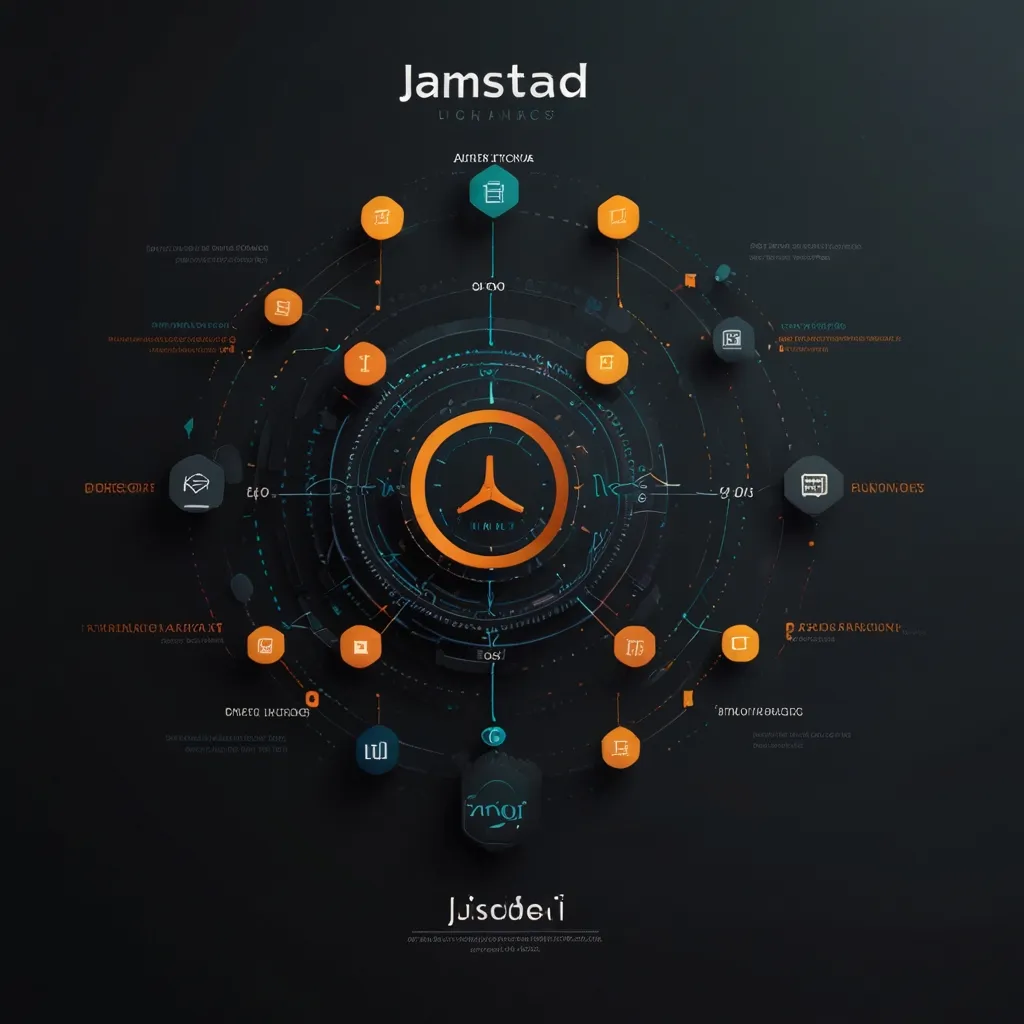
In the world of JAMstack, your front-end is built using JavaScript frameworks and static site generators. The content? Managed through headless CMS solutions via APIs. When someone visits your site, they get static HTML files from the CDN. Any cool, dynamic stuff like forms or searches gets handled by JavaScript and APIs on-the-go. This keeps things speedy and secure.
Benefits of JAMstack
Now, let’s talk about the perks. Why are people so pumped about JAMstack?
Performance
First up, performance. Because all your site content is pre-rendered and served from a CDN, your load times are way faster than traditional sites. And we all know how crucial quick loading is for keeping users happy and ranking high on search engines.
Security
Next, security. JAMstack sites are pretty solid on the security front since static files leave less room for vulnerabilities. Plus, sensitive data gets managed via APIs rather than being stored on the client-side. Fewer worries about data breaches!
Scalability
Scalability is another win. When your front-end and back-end are decoupled, scaling up becomes a breeze. Changes can be made without causing a ripple effect on the entire system. And thanks to CDNs, your content gets delivered swiftly no matter where your users are in the world.
Flexibility
Flexibility is the cherry on top. Because JAMstack isn’t tied to any specific tech stack, you get to pick and choose the tools that fit your needs best. Want to use Next.js for the front end and Prismic for content? Go right ahead. This mix-and-match approach gives you tons of creative freedom.
Real-World Applications
JAMstack isn’t just a cool concept; it’s making a big splash in real-world projects:
- Blogs and Landing Pages: These sites thrive on fast load times and stability, making JAMstack an excellent fit. The pre-rendered pages ensure they load in a flash, while APIs handle any interactive features.
- E-commerce Platforms: For online stores, JAMstack can use static site generators for product listings and APIs for transactions and data handling. The result? A fast, secure shopping experience.
- Content-Rich Websites: Think news sites or educational platforms. Here, JAMstack shines by delivering content quickly and securely with headless CMS handling the heavy lifting.
Getting Started with JAMstack
Ready to give JAMstack a whirl? Here’s a no-fuss way to jump in:
- Choose Your Tools: Pick a JavaScript framework like React, Vue, or Angular, and a static site generator such as Gatsby, Next.js, or Hugo. For content management, a headless CMS like Prismic or Strapi works great.
- Set Up Front-end: Build your front-end using the chosen framework and static site generator. The goal is to pre-render your pages for supersonic load times.
- Integrate APIs: APIs will handle your dynamic features like authentication or search. Make sure these APIs are secure and can grow with your site.
- Deploy to a CDN: The final step is to deploy your static files to a CDN. Platforms like Netlify, Vercel, and Cloudflare Pages make this part pretty painless.
Wrapping Up
JAMstack is shaking things up in web development by focusing on performance, security, and scalability. By separating the front-end from the back-end and pre-rendering content, you can create sites that are blazing fast and locked-down secure. Whether you’re building a blog, an e-commerce site, or any content-heavy platform, JAMstack offers the tools and flexibility to make it happen. With a growing community and ever-evolving ecosystem, JAMstack isn’t just a trend; it’s possibly the future of web development. Give it a go and see the difference for yourself.