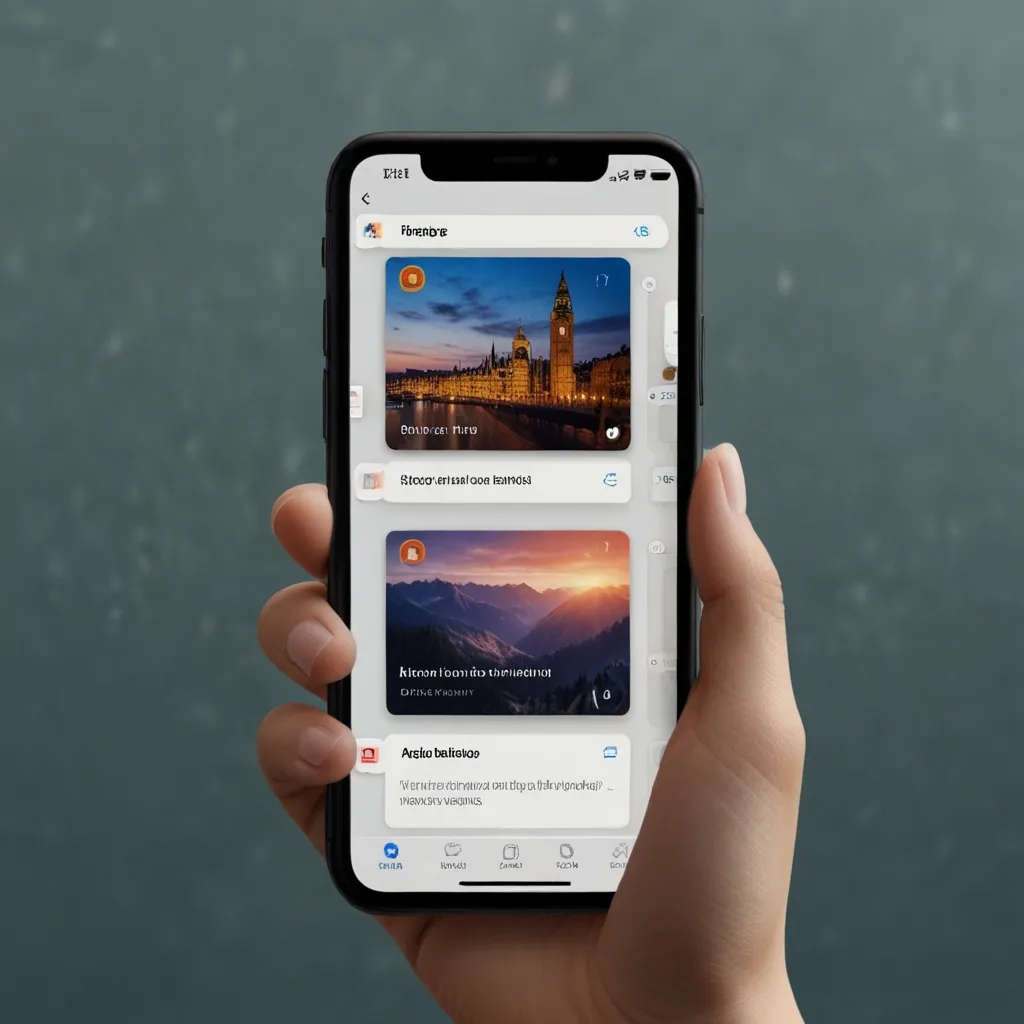
Progressive Web Apps, or PWAs, are becoming a game-changer in today’s digital world. They seamlessly blend the best features of websites and mobile apps, offering an experience that’s dynamic and engaging. PWAs are essentially websites, but they act almost like native mobile apps. Let’s explore why PWAs are catching on and why they’re becoming a favorite for both businesses and users.
So, what exactly is a Progressive Web App? It’s a website that leverages modern technologies to provide a smooth, app-like experience. Built with familiar web tech like JavaScript, CSS, and HTML, PWAs can be accessed from any browser. Unlike regular websites, they pack additional features—like offline capabilities, push notifications, and hardware access—that you’d usually find in native apps.
One of the coolest things about PWAs is how fast they load, even on slower networks. Techniques like code-splitting and lazy loading help only load what’s necessary when it’s needed. Remember how Tinder slashed their load times from nearly 12 seconds to just under 5 seconds with their PWA? That’s what we’re talking about—instant engagement.
Another awesome feature is their responsive design. PWAs adapt to any screen size, be it a phone, tablet, or desktop. This makes them super accessible and user-friendly. Plus, you can install them on your home screen for that quick, immersive experience, similar to a native app.
Let’s talk about one of the most compelling features: offline capability. Thanks to something called service workers—which cache essential resources and data—PWAs can function without an internet connection. Imagine being able to check your emails or browse Twitter while offline; the PWA will sync everything once you’re back online. It’s like magic!
Push notifications are another standout trait of PWAs. This feature keeps users engaged by sending timely updates and information, even when the app isn’t open. Businesses love push notifications because they’re a surefire way to maintain engagement and encourage user retention.
Real-world examples show how effective PWAs can be. Take Pinterest, for example. After switching to a PWA, they saw users spending significantly more time on the site, with the app running more reliably and faster than ever before. MakeMyTrip, a major online travel agency in India, also saw a threefold increase in conversion rates and faster page load times after adopting a PWA.
For businesses, the benefits of PWAs are immense. First off, they eliminate the need to create separate native apps for different platforms, saving time and cutting development costs. Because PWAs are cross-platform, they can run on any device with a modern browser, extending the app’s reach.
Moreover, PWAs don’t have to jump through the hoops of app store reviews, which means businesses can roll out updates faster and reach the market sooner. This agility is a huge advantage in competitive landscapes where speed is crucial.
If you’re considering developing a PWA, there are a few technical requirements you should be aware of. These apps need a web app manifest, which is a JSON file that provides metadata about the app. They also need a service worker to enable offline functionality and caching. On top of that, the app must be responsive and load quickly, even on slower networks, to provide a seamless user experience.
PWAs are more than just a passing trend—they’re shaping the future of web development. Their ability to deliver a native-like experience without the hassle of developing native apps is revolutionary. Companies like Uber, Airbnb, and Spotify are already on board, realizing the immense benefits PWAs bring. It’s likely that more businesses will follow their lead.
In summary, Progressive Web Apps are reshaping how we interact with the web. They offer a fast, reliable, and engaging experience akin to native apps but come with the simplicity and accessibility of a website. With technology continuously evolving, PWAs are poised to play a crucial role in the future of the web. Whether you’re a business looking to enhance your mobile presence or a user seeking a better online experience, PWAs are definitely something to keep on your radar.